
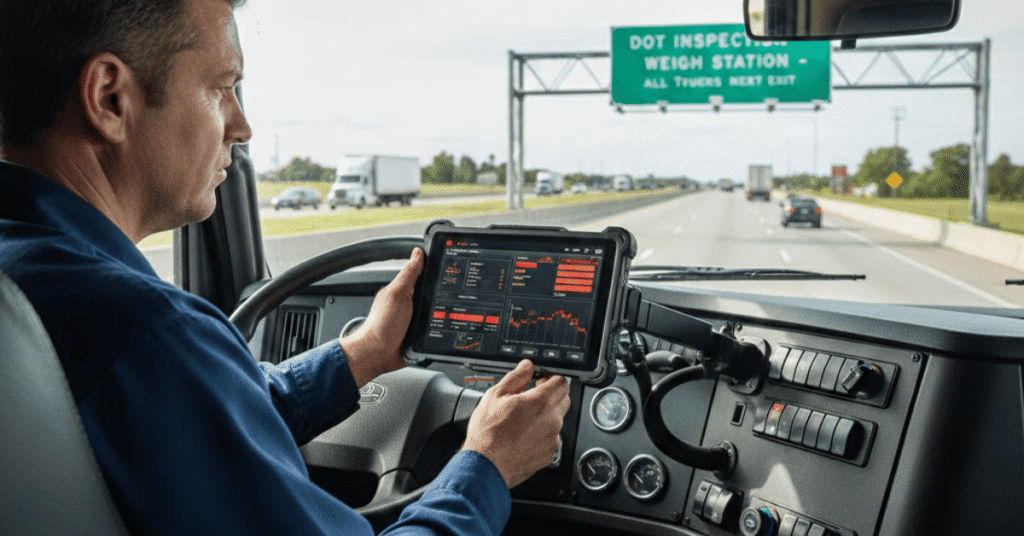
HOS violations are among the most common reasons truck drivers and fleets face fines, audits, and safety score drops. Hours of Service regulations exist to prevent driver fatigue, but even experienced carriers can fall into compliance traps. Understanding the most frequent hours of service violations is the first step toward protecting your drivers, your fleet, and your bottom line.
In this guide, we break down the common HOS violations, explain why they happen, and share practical tips to help you stay compliant with FMCSA rules.
Table of Contents
What Are HOS Violations?
Hours of Service violations occur when drivers fail to follow federally mandated limits on driving and on-duty time. These rules apply to most commercial motor vehicle drivers and are enforced through roadside inspections, audits, and ELD data reviews.
Common triggers include:
- Exceeding driving hour limits
- Improper logbook entries
- Misuse or misconfiguration of ELDs
Even small errors can result in DOT HOS fines and CSA score impacts.
Top HOS Violations Truckers Should Avoid
1. Exceeding Daily Driving Limits
One of the most frequent FMCSA HOS violations is driving beyond the allowed limits.
Key hours of service limits include:
- Maximum 11 hours driving after 10 consecutive off-duty hours
- 14-hour on-duty window limit
- 60/70-hour weekly on-duty limits
Why it happens: Tight delivery schedules and poor trip planning often push drivers to exceed legal driving time.
How to avoid it: Use route planning tools and real-time HOS tracking to manage driving hours proactively.
2. Falsifying or Inaccurate Logbooks
Logbook violations in trucking remain a serious issue, even with electronic logs.
Common mistakes include:
- Editing logs without proper annotations
- Incorrect duty status changes
- Missing required supporting documents
These violations are red flags during audits and inspections.
Tip: Train drivers on proper log editing procedures and conduct regular internal log reviews.
Related Article: Preparing for a DOT or FMCSA Audit
3. Improper Use of ELDs
ELD HOS violations often stem from misunderstanding how electronic logging devices work.
Examples include:
- Logging driving time as personal conveyance
- Using yard move incorrectly
- Failing to log in or select the correct vehicle
Why it matters: ELD data is reviewed directly by enforcement officers, leaving little room for error.
4. Not Taking Required Rest Breaks
Failing to take the mandatory 30-minute break after 8 hours of driving is another common HOS issue.
This often occurs when drivers:
- Miscalculate break timing
- Assume off-duty time counts automatically
A missed break can result in an immediate violation during a roadside inspection.
5. Ignoring the 34-Hour Restart Rules
Misusing the 34-hour restart can reset weekly hours incorrectly.
Common errors include:
- Restarting without completing 34 consecutive off-duty hours
- Overlapping restarts improperly
This can quickly push drivers over weekly limits and lead to enforcement action.
How HOS Violations Impact Your Fleet
Unresolved HOS compliance trucking issues can lead to:
- Costly fines and penalties
- Poor CSA scores
- Increased audit risk
- Driver out-of-service orders
Preventing violations is far less expensive than fixing compliance problems after the fact.
Best Practices to Stay HOS Compliant
- Conduct routine logbook and ELD audits
- Train drivers regularly on truck driver HOS rules
- Monitor real-time HOS data
- Use compliance checklists before inspections
- Address violations immediately, not later
FAQs About HOS Violations
What is the most common HOS violation?
Exceeding the 11-hour driving limit is one of the most common HOS violations cited during inspections.
Can ELD errors lead to fines?
Yes. Incorrect use or misconfiguration of ELDs can result in violations and DOT HOS fines.
How often should fleets audit HOS logs?
Best practice is weekly internal reviews, with deeper monthly audits to catch trends early.
Do HOS violations affect CSA scores?
Absolutely. HOS violations fall under the Hours-of-Service Compliance BASIC and directly impact safety scores.
HOS Violations Awareness
Avoiding HOS violations starts with awareness, training, and consistent monitoring. By understanding the most common hours of service violations and addressing them proactively, fleets can reduce risk, improve safety scores, and stay inspection-ready year-round. Compliance is not just about avoiding fines. It’s about building a safer, more reliable operation.
Need Help Getting Your Fleet Ready?
Reach out to us at www.welocity.ca, call 905-901-1601, or email info@welocity.ca if you need any trucking-related services. Whether it’s ELD setup, compliance training, or vehicle inspections, we have you covered.