
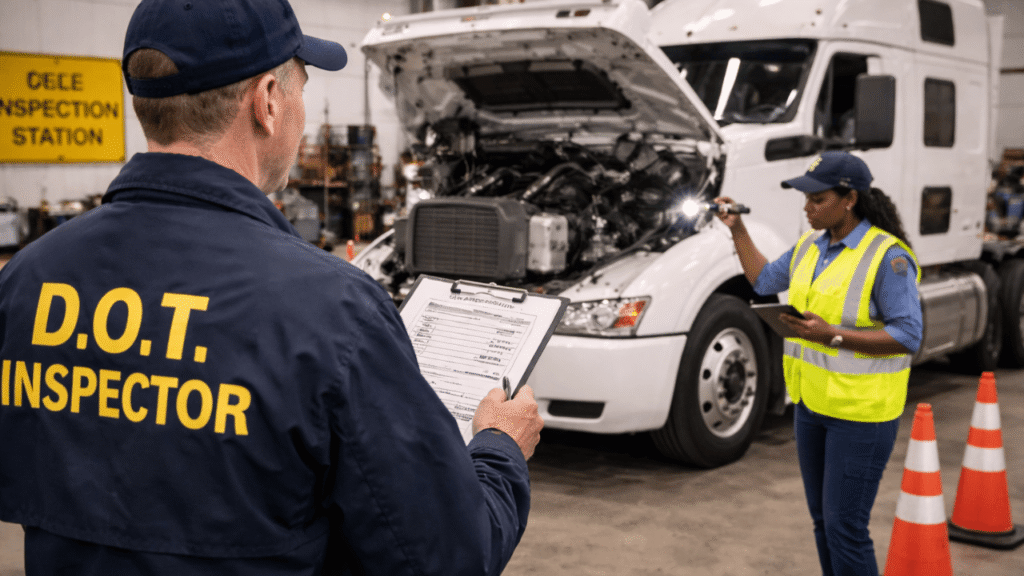
A failed DOT audit can feel overwhelming, especially when your business depends on staying compliant and operating without disruption. In most cases, a failed DOT audit means your company has weaknesses in safety, recordkeeping, or daily operations that need immediate attention.
The FMCSA conducts audits to ensure carriers comply with federal safety standards. When auditors find problems, the results can include fines, more inspections, or even a temporary shutdown in serious cases. Many audit failures stem from preventable issues such as incomplete records, missing documents, or weak compliance systems.
The good news is that failing a DOT audit does not mean your business is over. With the right response, you can correct violations, improve your systems, and get back on track. The key is to act quickly and handle each issue carefully.
Table of Contents
What Can Happen After a Failed DOT Audit
What happens after a failed DOT audit depends on the severity of the violations. Some issues may only lead to warnings or required corrections, while more serious problems can bring much stricter enforcement. Knowing the possible outcomes can help you respond faster and protect your business.
1. You may receive warnings or required corrections
If the violations are minor, the FMCSA may require you to correct the issues without taking harsher action right away. This usually happens when the problems are fixable and do not create an immediate safety risk.
2. You may have to pay fines
One of the first penalties many carriers face is a financial fine. DOT fines can vary depending on the type of violation and the number of issues identified during the audit. If the same violations keep occurring or the issues become more serious, penalties can increase quickly.
3. Your company may face closer monitoring
The FMCSA may also keep a closer watch on your operation after a failed audit. Your company could be selected for follow-up audits or additional inspections to ensure you have fixed the problems and remain compliant.
4. Your safety rating may go down
In some cases, a failed audit can lower your safety rating. That can damage your reputation, raise your insurance costs, and make it harder to secure contracts. Many shippers and customers prefer to work with carriers that have strong safety records.
5. Your operating authority could be suspended
In more serious cases, the FMCSA can suspend your authority to operate until you correct the violations. If your company creates a significant safety risk, regulators may act quickly to protect the public and other drivers on the road.
6. Quick action can reduce the damage
Understanding these possible outcomes helps you take the right steps right away. The faster you fix the issues and improve your compliance system, the better your chances of limiting the impact on your business.
How to Fix DOT Audit Violations
Fixing DOT audit violations becomes much easier when you handle the process step by step. The key is to identify the problem, fix it properly, and ensure it does not happen again.
1. Review your audit report carefully
Start by going through your audit report in detail. Look at every violation and make sure you understand exactly what went wrong. When you know the root cause, you can fix the issue more effectively instead of just treating the symptom.
2. Create a corrective action plan
Next, build a clear corrective action plan. List each violation, explain how you will fix it, assign the task to the right person, and set a deadline. A solid plan shows regulators that you are taking the audit seriously and actively working to resolve the issues.
3. Update your records and processes
After that, correct your records and improve your internal systems. You may need to update driver qualification files, fix hours-of-service logs, improve maintenance records, or revise safety procedures. Ensure every document is accurate, complete, and in compliance with current federal requirements.
4. Train your team
Training plays a big role in preventing repeat violations. Many problems occur because drivers or staff do not fully understand compliance rules or consistently follow the right procedures. When you train your team well, you reduce the likelihood of repeating the same mistakes.
5. Run an internal audit
Once you have made the needed changes, perform an internal audit. Review your records, processes, and compliance systems as an auditor would. This helps you confirm that you fixed the problems and that your company is in a stronger position for future inspections.
How to Prevent Future Audit Failures
After fixing the violations, your next goal should be preventing the same issues from happening again. The best way to do that is by building a stronger compliance system.
Use Tools That Support Compliance
It also helps to invest in tools that make compliance easier to manage. Software for tracking driver logs, maintenance records, and safety data can reduce errors and give you better visibility into your operation. With the right tools, it becomes easier to spot and fix issues quickly.
Set Clear Policies and Procedures
Clear policies and procedures are another important part of prevention. Your team should understand what is expected, how to stay compliant, and what steps they need to follow each day. When everyone works with the same standards, compliance becomes more consistent across the business.
Monitor Performance Trends
You should also keep track of performance trends over time. Monitoring violations, incidents, and recurring issues can help you identify risks early. This allows you to take action before those problems turn into bigger compliance concerns.
Companies that stay proactive usually deal with fewer violations, better safety scores, and smoother operations overall.
Turn a Failed DOT Audit Into a Fresh Start
A failed DOT audit can be difficult, but it can also be a turning point for your business. In many cases, a failed DOT audit reveals weaknesses in your system and gives you the opportunity to fix them before they lead to even bigger problems.
When you address violations quickly, follow a clear corrective action plan, and commit to long-term compliance, you can rebuild your safety record and move forward with more confidence. Many successful fleets have experienced audit failures and used that experience to strengthen their operations.
The most important thing is to respond quickly, stay organized, and keep improving. With the right approach, you can turn a setback into a stronger and more compliant trucking business.
Related Article: How to Pass a DOT Audit on First Attempt (Complete Guide)
Get Back on Track with Expert Support
Need help after you fail a DOT audit? The right compliance solutions can help you fix violations, improve safety systems, and prevent future issues.
Visit welocity.ca, call +1 (905) 901-1601, or email info@welocity.ca to learn how advanced fleet tools and expert support can help your business recover quickly, stay compliant, and succeed in future DOT audits.