
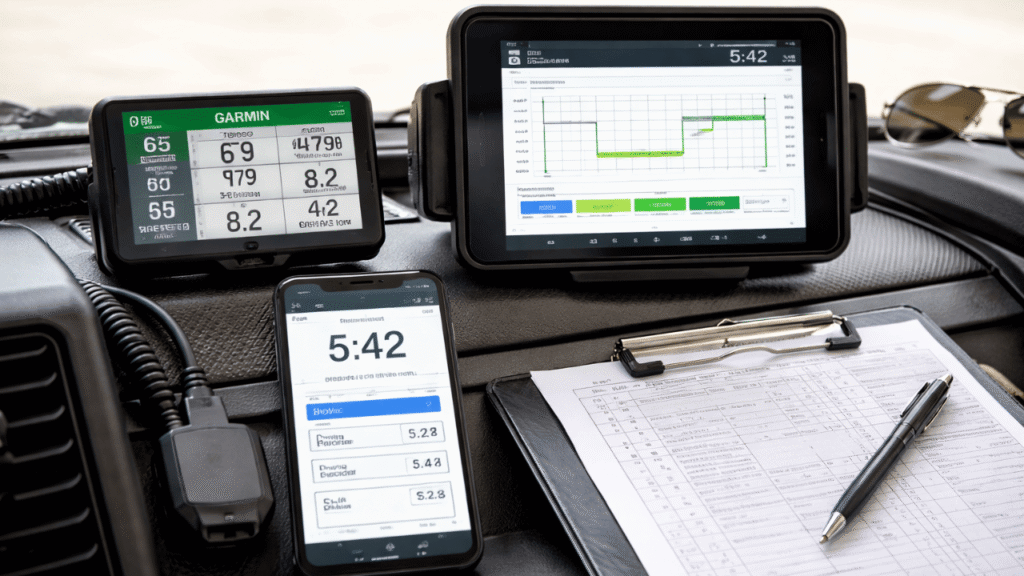
If you manage ELDs long enough, you realize the real challenge isn’t collecting data. It’s sorting through it. Logs, edits, inspections, violations, reports… it adds up fast. That’s where ELD reporting tools make a real difference.
The right ELD reporting tools don’t just store information. They organize it, surface problems early, and cut down the hours spent digging through logs before an audit or inspection. When reporting works as it should, compliance feels routine rather than reactive.
Table of Contents
Why ELD Reporting Tools Matter More Than Ever
As fleets grow, manual reviews become unrealistic. Spreadsheets, screenshots, and last-minute log checks slow everything down. Modern ELD reporting tools replace that chaos with structure, visibility, and consistency.
When reporting is clean and repeatable:
- Issues are caught sooner
- Audits take minutes instead of days
- Drivers get faster feedback
- Compliance teams stop firefighting
That’s why many fleets say ELD reporting tools pay for themselves in time saved alone.
Automated Reports
This is the first big time-saver. With automated reports, you’re no longer pulling data by hand or building the same report every week.
Good automated reporting can deliver:
- Daily or weekly log summaries
- Unassigned driving reports
- Edit and certification tracking
- Violation trend snapshots
Instead of asking, “Did anyone check yesterday’s logs?” the system answers for you. This is where ELD reporting tools start doing the heavy lifting.
Audit-Ready Logs
Nothing exposes weak processes faster than an audit. Fleets using audit-ready logs don’t scramble, they respond calmly because everything is already organized.
Audit-ready reporting typically means:
- Clean, certified daily logs
- Clear edit history with notes
- Easy access to previous days and supporting details
- Consistent formatting across drivers
With the right ELD reporting tools, you’re not preparing for audits at the last minute, you’re always ready.
Related Article: ELD Audit Checklist (Printable)
Export Features
When inspectors, safety consultants, or internal teams ask for data, speed matters. Strong export features let you pull exactly what you need without extra cleanup.
Useful export options include:
- PDF logs for inspections
- CSV or Excel files for analysis
- Date-range filters by driver or unit
- One-click downloads instead of manual screenshots
This is where ELD reporting tools quietly save hours,especially during investigations or reviews.
Compliance Dashboard
A compliance dashboard gives you the big picture without digging. Instead of reviewing driver logs one by one, you can see where attention is needed right away.
Dashboards usually highlight:
- Drivers with missing certifications
- Repeated log errors
- Unassigned drive time
- Trends across terminals or fleets
When you can see problems at a glance, your response is faster, and far more consistent. That visibility is a major reason fleets invest in better ELD reporting tools.
Real-Time Alerts
Waiting until the end of the week to find problems is expensive. Real-time alerts help fleets act while the issue is still fresh.
Common alerts include:
- Unassigned driving events
- Missed log certifications
- ELD malfunctions
- HOS risks before violations happen
With alerts in place, ELD reporting tools shift your operation from reactive to proactive—and that alone can prevent repeat violations.
Best ELD Reporting Tools That Save Time for Fleets
The best tools aren’t necessarily the ones with the longest feature list. They’re the ones that match how your fleet actually operates.
Strong ELD reporting tools usually share these traits:
- Reports are easy to find and understand
- Data updates quickly and accurately
- Filters are flexible (driver, date, unit, issue type)
- Reports support both daily reviews and audits
If your team can answer compliance questions without digging, the tool is doing its job.
ELD Reporting Tools for Audits and Compliance Reporting
When it comes to audits and enforcement, consistency wins. Fleets that rely on ELD reporting tools for audits and compliance reporting tend to have fewer surprises because they’re reviewing the same data inspectors will see.
A solid reporting process means:
- Logs are reviewed regularly, not just before inspections
- Patterns are identified early
- Coaching is based on data, not guesswork
- Documentation is ready when requested
That’s how ELD reporting tools turn compliance into a routine rather than a stressful task.
Save Time by Letting Reporting Do the Work
At the end of the day, ELD reporting tools are about time, your time. Time not spent hunting for logs. Time not spent fixing week-old mistakes. Time spent improving operations instead of reacting to problems.
When reporting is clear, automated, and easy to use, compliance becomes part of the workflow, not a burden.
Need Help Setting Up Better ELD Reporting?
Reach out to us at www.welocity.ca, call 905-901-1601, or email info@welocity.ca if you need any trucking-related services. Whether it’s ELD reporting setup, compliance reviews, or audit preparation, we’re here to help your fleet save time and stay ready.