
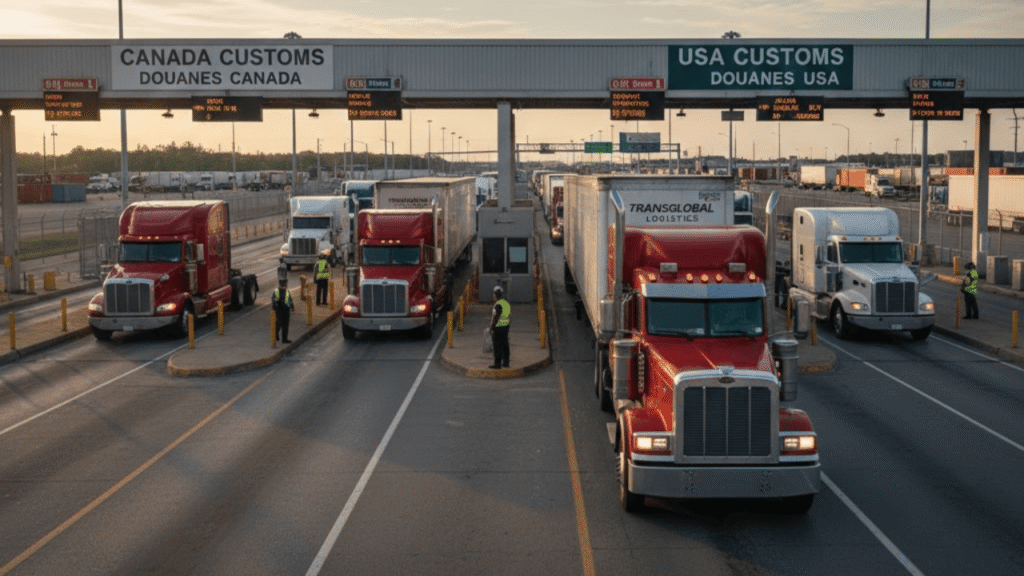
Insurance isn’t just a “nice to have” if you move a lot of goods between Canada and the U.S. Cross-border insurance requirements can make the difference between a smooth crossing and getting stuck filling out paperwork while your appointment time runs out.
The truth is that not having coverage at all doesn’t cause most problems. They happen because you have the wrong limits, you don’t have the right papers, or you forgot to file something that is needed to follow the rules at the border. You can set it up once and be ready with this guide that explains everything in simple terms.
Table of Contents
Why Cross-Border Insurance Requirements Matter
When you cross the border, you’re stepping into a higher level of scrutiny. Brokers, shippers, and enforcement all want the same thing: proof that you’re financially responsible if something goes wrong.
That’s why cross-border insurance requirements usually boil down to three things:
- The right liability coverage limits for the lane and commodity
- The right cargo insurance for what you’re hauling (and what the shipper expects)
- Clean, current proof of insurance you can produce fast
Get those right, and you reduce surprises, claims headaches, and costly delays.
Cross-Border Insurance Requirements for Canada-US Trucking
This is the “big picture” setup most carriers need for cross-border insurance requirements in Canada–U.S. operations:
- Auto liability coverage (primary liability): This is the most important part. Many shippers and brokers want higher limits than the law requires, especially for contract freight. If you haul certain goods (or anything else that is thought to be high risk), the limits can change quickly.
- Cargo insurance: Not every load needs the same amount of cargo. General freight may be simple, but electronics, food, or specialized cargo that is worth more can cause shipper-specific requirements.
- Trailer interchange (if applicable): If you pull trailers that you don’t own under a trailer interchange agreement, this coverage is often requested.
- General liability (often requested): Even though it’s not “truck auto liability,” many facilities and contracts ask for it.
- The most important thing is that your policy, contracts, and daily operations all match up. That’s how you meet the requirements for cross-border insurance without a hitch.
Related Article: Cross-Border Routes: How to Train Drivers for International Trips
What Insurance Do You Need to Haul Freight Across the Border
If you want a simple way to think about it, ask yourself two questions:
- What can I damage or injure with the truck?
- What can I lose or damage in the trailer?
The first question is handled by liability coverage. The second is handled by cargo insurance.
Then add the paperwork layer:
- Can you show valid proof of insurance on demand?
- Does your insurer need to complete an insurance filing for your authority, registration, or operating status?
Even if you’re fully covered, missing the filing or having outdated certificates can still cause serious friction at the border.
The Documents You Should Keep Ready
For strong audit readiness at the border (and in broker onboarding), keep these current and easy to access:
- Certificate(s) showing your liability coverage and cargo insurance
- A contact at your broker/agent for after-hours verification
- Any required insurance filing confirmation (when applicable)
- A clean insurance summary for dispatch and safety teams
Pro tip: don’t bury this in someone’s email. Store it where dispatch can grab it in seconds.
Related Article: Owner-Operator Permits: What You Need to Run Canada–U.S. Lanes
Common Mistakes That Cause Delays or Rejected Loads
A few patterns show up again and again with cross-border insurance requirements:
- Limits don’t match the contract. Your policy might be legal, but the broker wants higher limits.
- Cargo coverage doesn’t fit the commodity. High-value, temperature-controlled, or specialized freight often requires higher cargo limits or special wording.
- Certificates are outdated. Expired dates, wrong business names, or missing vehicle details create instant onboarding issues.
- Filing gaps. If an insurance filing is required and isn’t in place, you can’t “talk your way through” that problem.
If you’ve ever had a load canceled last-minute over insurance, it’s usually one of these.
Quick Setup Tips to Stay Compliant Year-Round
To keep cross-border insurance requirements from becoming a recurring fire drill:
- Review the broker and shipper requirements before you quote the lane
- Standardize your certificate request process (same info every time)
- Build a checklist for new lanes and new commodities
- Recheck coverage whenever you add owner-operators or switch equipment types
- Make sure your team knows where the latest proof of insurance lives
Make Cross-Border Insurance Requirements a Routine, Not a Roadblock
Once you treat cross-border insurance requirements as part of dispatch, not a last-minute admin task, your operation runs more smoothly. You avoid rejected tenders, you look more professional to brokers, and you spend less time fixing preventable issues when you should be driving revenue.
Need Help Sorting Out Your Cross-Border Setup?
If you want help organizing your documents and preparing your operation for border compliance, reach out to Welocity. Visit welocity.ca, call 905-901-1601, or email info@welocity.ca for trucking support services, compliance guidance, and practical help that keeps your fleet moving.