
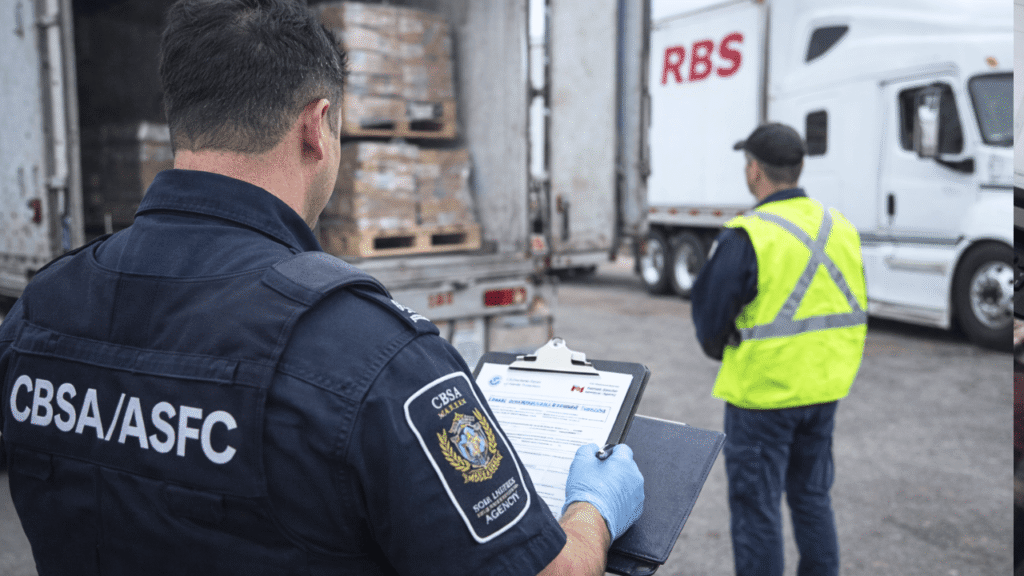
Delays at the border don’t just waste time; they also waste gas, blow delivery windows, and make drivers feel like they’re always behind. If you move goods between Canada and the U.S., you may have wondered how to make crossings more reliable. That’s when the real benefits of PIP certification come into play.
The Canada Border Services Agency runs PIP (Partners in Protection), which is a voluntary program. If your business can show that it follows good security practices, it is seen as less risky. In real life, that can mean less hassle and smoother border processing. The benefits of getting PIP certified aren’t just “nice to have”; they can change how well you run lanes.
Benefits of PIP Certification for Canadian Carriers
Let’s talk about the specific benefits of PIP certification for Canadian carriers, since this is where fleets see the most operational benefits.
Here are some things that being a PIP member can help with:
- Access to FAST lanes (where available): PIP is closely linked to programs that help speed up border processing, which can cut down on wait times and make congestion less painful.
- Fewer inspections: One of the most obvious benefits of PIP certification is that shipments with lower risk are less likely to be inspected.
- Trusted status: PIP members are seen as low risk, which makes it easier to work with border agencies and can make you more appealing to customers who value secure operations.
That “trusted” status means something in real life. Shippers want things to stay the same. Brokers don’t like surprises. Drivers want to keep going. All three of these things are good reasons to get PIP certification.
How PIP Improves Cross-Border Freight Security
Now, let’s hit the second big piece: how PIP improves cross-border freight security. PIP isn’t just paperwork, it pushes fleets to tighten the basics that actually protect freight and reduce risk.
PIP security expectations generally focus on practical controls like:
- Trailer and seal procedures that drivers can follow consistently
- Yard and facility controls (gates, visitor policies, monitored access)
- Clear rules for handling suspicious activity or cargo tampering
- Stronger screening and accountability with partners and subcontractors
This is where supply chain security stops being a buzzword and becomes a routine. When your team follows the same process every trip, you reduce mistakes that trigger inspections, and you build a stronger story if someone questions the load history. That’s another underrated benefit of PIP certification.
What Truckers and Fleets Actually Gain Day to Day
The best way to see how PIP certification helps is to look at how things change on a normal week of cross-border runs.
Crossings that are easier to predict
Even if you can’t control everything at the border, PIP can help improve operations by making your company appear lower risk in the system.
Less trouble
One big reason fleets want PIP is to reduce inspections. Fewer inspections mean fewer schedule changes, fewer calls asking “where are you?” and fewer calls asking “where are you?”
Better reputation with shippers
Some customers prefer working with a carrier that operates in a trusted-trader style because it reduces risk within their own network. That can help you get and keep high-value freight across borders.
Better habits for keeping safe
PIP is a CBSA program that encourages fleets to document and standardize their security procedures so everyone follows the same rules rather than “whatever works today.”
When you put all of that together, the benefits of getting PIP certified are pretty clear: fewer surprises, more consistency, and more trust from customers.
Quick Checklist: Are You a Good Fit for PIP?
If you’re wondering whether the benefits of PIP certification apply to your operation, here’s a quick gut-check. You’re a strong candidate if:
- You run regular Canada–U.S. lanes (not just occasional trips)
- You can enforce consistent seal and trailer inspection processes
- You’re willing to document procedures and train to them
- You want to compete on reliability—not just rate
If you’re already running disciplined operations, PIP usually feels like formalizing what good fleets do anyway, then getting recognized for it.
Why the Benefits of PIP Certification Keep Paying Off
The truth is, the benefits of PIP certification compound over time. You’re not only aiming for smoother crossings, you’re also building tighter processes, better accountability, and a more secure operation that shippers trust.
For cross-border carriers, that combination can be a real edge: safer freight, steadier lanes, and fewer border-related disruptions.
Need Help Getting Your Cross-Border Operation Ready?
Reach out to us at www.welocity.ca, call 905-901-1601, or email info@welocity.ca if you need any trucking-related services. Whether it is ELD setup, compliance training, or vehicle inspections, we have you covered.