
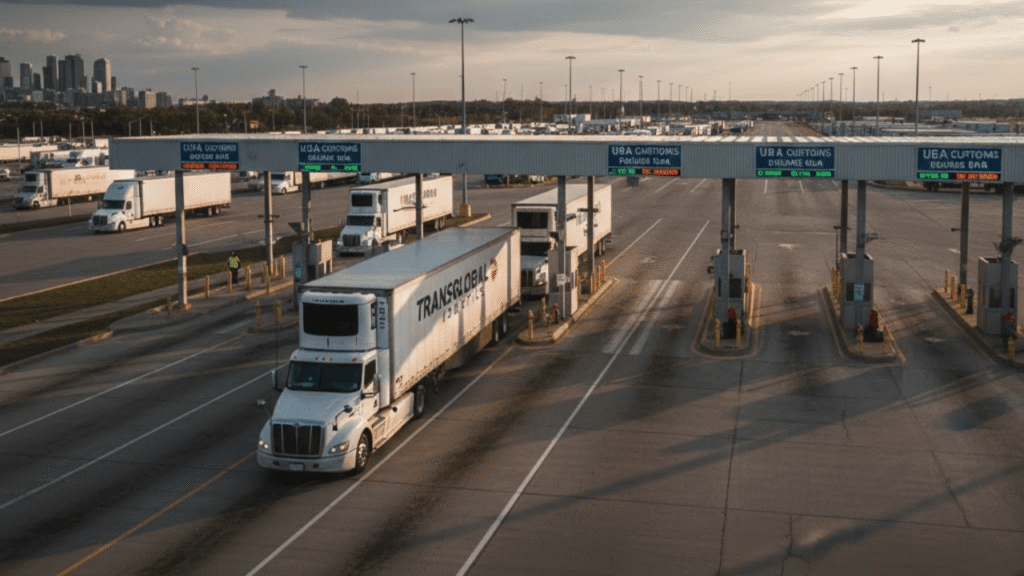
Not having the right paperwork at the border is the quickest way to ruin a good trip. Even missing one registration can cause delays, fines, or a load that won’t move until the problem is fixed. That’s why smart fleets treat cross-border permits like pre-trip checks: they do them every time, write them down, and never skip them.
We’ll go over the most common cross-border permits and registrations that carriers need to do business between Canada and the U.S.
Table of Contents
Required Cross-Border Permits for Canada-US Trucking
When people say “permits,” they usually mean a mix of registrations, tax credentials, and authority to operate. Here are the big ones fleets should confirm before running freight across the line.
Operating Authority and U.S. DOT Setup
If you operate in the U.S. (even as a Canadian carrier), you typically need operating authority and a USDOT number under FMCSA rules, depending on your operation type. This is one of the first cross-border permit items to confirm when you expand lanes.
UCR (Unified Carrier Registration)
UCR is an annual registration for many entities operating in interstate commerce in the U.S. Fleets often miss this because it’s “just a filing,” but enforcement can still bite. Treat it as part of your annual cross-border permits checklist.
IRP Registration (Apportioned Plates)
If your power units cross state or provincial lines, IRP registration (apportioned plates) is often required. It spreads registration fees based on where you actually run miles, helpful, but only if you keep records clean.
IFTA License (Fuel Tax Reporting)
An IFTA license helps simplify fuel tax reporting across jurisdictions. If you cross borders regularly, this is another core item in the cross-border permits stack, especially if you want fewer surprises during audits or roadside checks.
Related Article: ELD Reporting for IFTA and Taxes
CBSA Carrier Code and Carrier Registration
To transact business with CBSA, carriers generally need a CBSA carrier code (a unique identifier). This falls under carrier registration on the Canadian side and is a must-have if you’re moving commercial goods into Canada.
Customs Clearance Basics
Fleets still need processes to support customs clearance, such as trip information, accurate shipment details, and consistent handoffs, even if a broker handles most of the paperwork. When those basics aren’t in place, border delays go up, and drivers have to pay the price.
Permits Needed for Cross-Border Freight Carriers
Here’s the practical way to think about permits needed for cross-border freight carriers: if the border agency can’t identify your company, confirm your operating status, and match your trip to the freight details, you’re going to get friction.
That’s why the most reliable fleets build one “border-ready” packet that includes:
- Company identifiers (U.S. and Canada, where applicable)
- Vehicle credentials (registration and apportioned plates)
- Fuel tax credentials
- Annual filings that are easy to forget
- A clear process for transmitting trip and shipment details
When you treat cross-border permits as a system (not a pile of documents), you reduce the back-and-forth that kills time at dispatch.
A Simple Way to Keep Cross-Border Permits From Becoming a Fire Drill
If you want fewer last-minute problems, do these three things:
- Create one master checklist for each truck and terminal.
Track expiry dates and renewal windows. Don’t rely on memory. - Assign one owner for border credentials.
One person (or role) should “own” renewals and updates, even if others help. - Run a monthly permit audit.
Ten minutes a month beats a full day of chaos after an enforcement stop.
This routine alone prevents most “we didn’t know it expired” scenarios, and keeps your cross-border permits current without drama.
Keep Your Crossings Smooth and Predictable
At the end of the day, cross-border permits aren’t about paperwork for paperwork’s sake. They’re about keeping freight moving, protecting your operating status, and giving drivers a smoother experience. If you’re planning new lanes or cleaning up an existing operation, tightening your permits and processes is one of the quickest wins you can get.
Need Help Getting Your Cross-Border Paperwork Dialed In?
Reach out to us at welocity.ca, call 905-901-1601, or email info@welocity.ca if you need any trucking-related services. Whether it is ELD setup, compliance training, or vehicle inspections, we have you covered.