
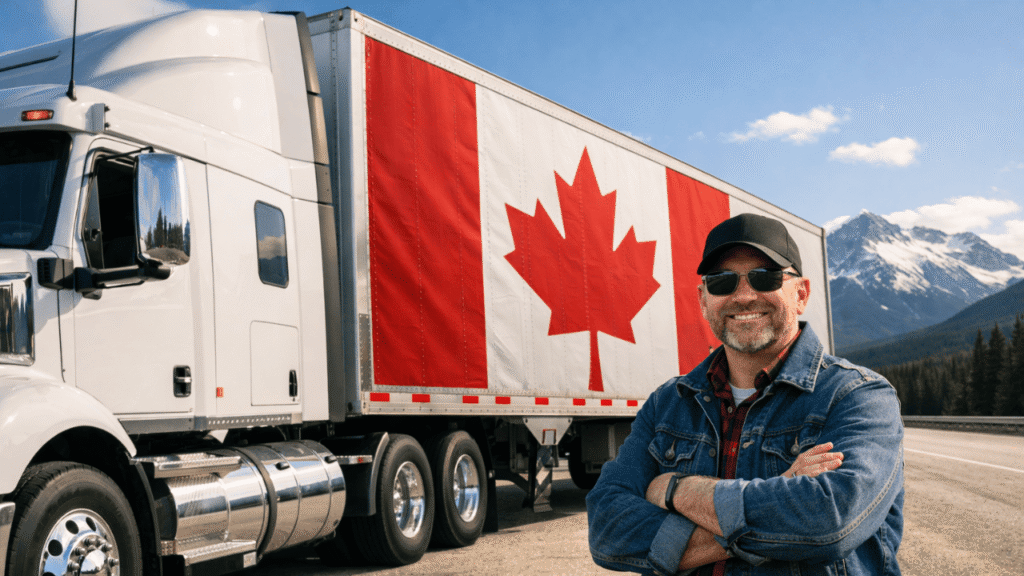
Starting a trucking business in Canada can be a profitable and scalable venture if done correctly. With strong demand across freight, construction, and logistics sectors, many entrepreneurs are looking to start a trucking business in Canada but feel overwhelmed by regulations and setup requirements.
This guide breaks down the process step by step, from carrier registration to compliance setup, so you can launch with confidence and avoid costly mistakes.
Table of Contents
1. Understand the Canadian Trucking Industry
Before you invest, it’s important to understand how trucking works in Canada. The industry is regulated at both federal and provincial levels, depending on where you operate.
You’ll need to decide whether you plan to:
- Operate intra-provincially (within one province)
- Operate inter-provincially (across provinces)
- Operate cross-border (Canada–U.S.)
Each option affects your licensing, insurance, and compliance obligations.
2. Create a Business Plan for Your Trucking Company
A solid business plan for a trucking company helps you secure financing and stay profitable.
Key elements to include:
- Startup costs (truck, insurance, permits)
- Operating expenses (fuel, maintenance, driver wages)
- Revenue projections
- Target market and freight type
- Growth strategy (adding trucks or lanes)
A well-prepared plan also demonstrates credibility with banks and insurers.
3. Register Your Business and Obtain Carrier Authority
To legally operate, you must complete carrier registration in Canada.
Business Registration
- Register your business name federally or provincially
- Obtain a Business Number (BN)
- Register for GST/HST if required
Canadian Trucking Authority Requirements
Most provinces require:
- Safety Fitness Certificate (SFC)
- National Safety Code (NSC) registration
- Commercial Vehicle Operator’s Registration (CVOR) in Ontario
Federal oversight is handled by Transport Canada, while enforcement is coordinated through provincial agencies.
4. Purchase Trucking Insurance in Canada
Trucking insurance in Canada is mandatory and one of your biggest startup expenses.
Typical coverage includes:
- Commercial auto liability
- Cargo insurance
- Physical damage
- General liability
Insurance costs vary based on:
- Driving history
- Equipment type
- Operating radius
- New venture status
Many new carriers underestimate this cost, get quotes early.
5. Compliance Setup in Canada (Critical Step)
Proper compliance setup in Canada is essential to avoid fines, audits, or shutdowns.
You must be compliant with:
- Hours of Service (HOS)
- Electronic Logging Device (ELD) mandate
- Driver qualification files
- Vehicle inspection and maintenance records
Failure to maintain compliance can result in out-of-service orders or loss of operating authority.
6. Acquire Equipment and Hire Drivers
Decide whether to:
- Buy or lease trucks
- Operate as an owner-operator
- Hire company drivers
Ensure all vehicles meet safety standards and drivers are properly licensed and trained.
7. Secure Freight and Start Operating
Once licensed and insured, you can:
- Work with freight brokers
- Sign direct shipper contracts
- Join load boards
Start small, track expenses closely, and scale only when cash flow is stable.
Build Your Trucking Business the Right Way
Starting a trucking business in Canada requires planning, compliance, and the right support. From registration to insurance and ongoing compliance, getting it right from day one saves time and money.
Need Help Launching Your Trucking Business?
Reach out to us at www.welocity.ca, call 905-901-1601, or email info@welocity.ca for expert support. Whether you need carrier registration, ELD setup, or compliance training, Welocity is here to help you succeed.