
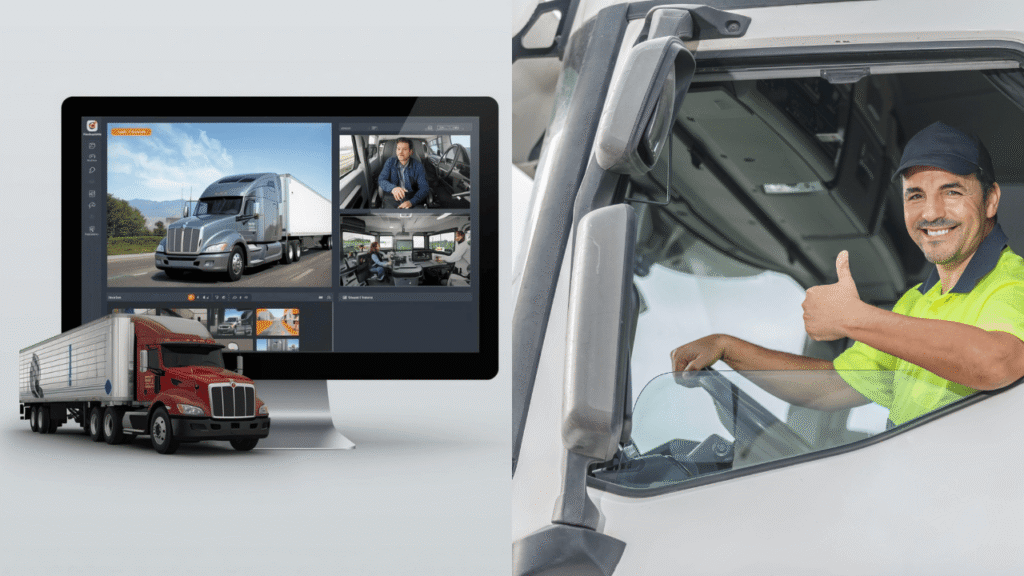
Choosing online vs in-person driving training can feel like picking between convenience and confidence. The truth is, both formats can work well, if they match your learning style, schedule, and licensing goals. Many drivers also choose hybrid driver training programs that combine online learning with in-yard and on-road instruction.
Table of Contents
What Online Driving Training Typically Includes
Online CDL training (and other virtual trucking courses) usually focuses on knowledge-based material, things you can learn without being in the truck.
Common topics covered online
- Rules of the road and safety fundamentals
- Hours of Service basics and compliance concepts
- Signs, signals, and hazard awareness
- Pre-trip inspection theory and “inspection script” practice
- Trip planning basics and documentation overview
Benefits of online CDL training
- Learning flexibility: study early mornings, evenings, or between shifts
- Self-paced modules for repeat review
- Easy access to quizzes and practice tests
- Great for theory-heavy areas (rules, terminology, procedures)
Limitations to plan for
Online training can’t replace hands-on driving practice. You can memorize steps, but you still need physical repetition for backing, turns, and vehicle control.
What In-Person Driving Training Typically Includes
In-person programs usually blend classroom learning with range and road time. This is where muscle memory and real-world judgment develop.
Benefits of classroom training (in person)
- Real-time questions and instructor feedback
- Group discussions that clarify tricky scenarios
- Better accountability (you show up, you practice)
- Easier to correct misconceptions early
What in-person training does best
- Hands-on driving practice: steering control, braking, turning, shifting (if applicable)
- Backing drills with cones and real trailer angles
- Coupling/uncoupling demonstrations (where applicable)
- Live pre-trip inspections on actual equipment
- Coaching for road-test-level habits (mirrors, lane discipline, intersection strategy)
Hybrid Driver Training Programs: The Best of Both Worlds?
Hybrid driver training programs combine online modules for theory with scheduled in-person sessions for yard and road skills. For many students, this is the most practical approach.
Why hybrid programs are popular
- Online for memorization and test prep
- In-person for skill building and correction
- Often faster progress because class time is used more efficiently
- Helps nervous learners build confidence gradually
Best fit: People balancing work or family who still want structured seat time with an instructor.
Cost of Driver Training: What Changes by Format
The cost of driver training varies widely, but the format can influence what you pay for.
Typical cost factors
- Instructor time (highest cost in most programs)
- Equipment use (truck, trailer, fuel, insurance)
- Range/yard facilities and scheduling availability
- Program length and included road-test prep
- Retesting fees or additional practice hours
How format impacts cost
- Online training may be cheaper for theory content
- In-person tends to cost more because it includes equipment and instructor hours
- Hybrid may reduce unnecessary in-person classroom time, sometimes improving overall value
Learning Flexibility vs Skill Confidence
A key trade-off in online vs in-person driving training is flexibility versus immediate feedback.
Online works best when you:
- Learn well independently
- Need flexible scheduling
- Want to review concepts multiple times
- Are preparing for written knowledge tests
In-person works best when you:
- Want strong structure and accountability
- Learn best through demonstration and correction
- Need confidence in backing and road skills
- Prefer coaching in real driving environments
Hands-On Driving Practice: What You Should Never Compromise On
No matter what format you choose, hands-on driving practice is the non-negotiable piece. The safest drivers build habits through repetition, especially for backing, turns, and space management.
Minimum questions to ask any school/program
- How many hours of behind-the-wheel time are included?
- How much backing practice do I get (straight, offset, alley dock)?
- Do you include road test preparation and mock tests?
- What’s the instructor-to-student ratio on the range?
- Can I get extra practice sessions if I need them?
If a program can’t clearly answer these, keep shopping.
Choose the Format That Gets You Safely Road-Ready
Online vs in-person driving training isn’t an either/or decision for many drivers. Online learning offers flexibility and strong knowledge prep, while in-person training builds real skills and confidence behind the wheel. If you can, a hybrid approach often delivers the best mix: efficient study time plus the hands-on coaching you need to test and drive safely.
Need Help Setting Up Training, Compliance, or Fleet Support?
Reach out to us at www.welocity.ca, call 905-901-1601, or email info@welocity.ca if you need any trucking-related services. Whether it is ELD setup, compliance training, or vehicle inspections, we have you covered.